
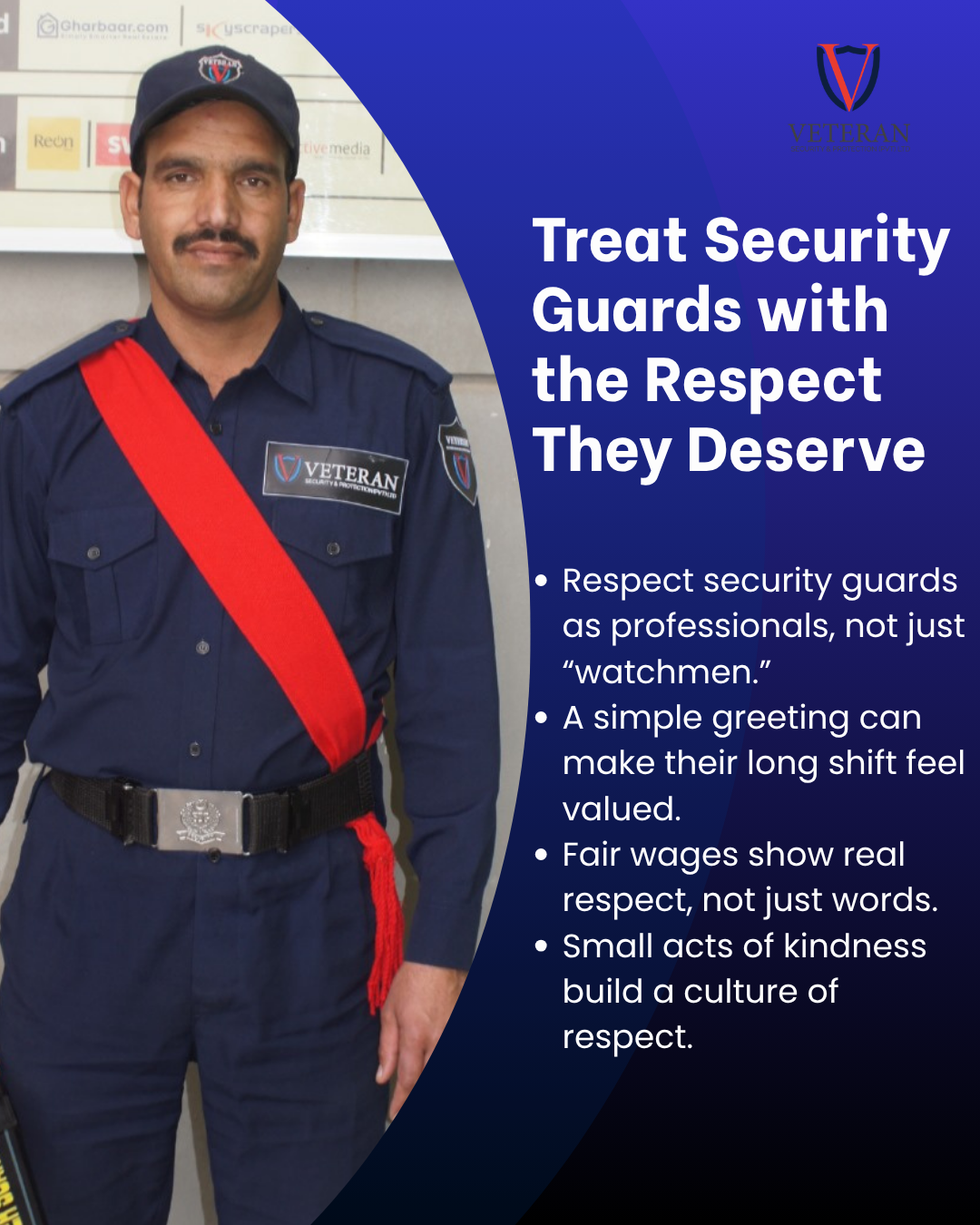
Every day, millions of people walk past security guards without a nod, a thank you, or even eye contact. They stand at entrances, patrol parking lots, monitor cameras, and risk their lives protecting properties that often do not protect them in return. In our society security guards are treated as the most oppressed. People try to give charity to the security guards, or sometimes some people try to give food and pity money to the security guards as a gesture of good deeds. Giving money or treating people with kindness is a good thing, but depriving them of their rightful wage and providing them with charity does not serve the purpose of a healthy, educated society. This behaviour of the society influenced the regular daily lives of the security guards, and it takes away the integrity and self-respect of the guards. The question is not whether security guards are valuable. It is whether we are willing to treat security guards with respect they have earned through sacrifice, vigilance, and invisible labour.
This blog explores practical, meaningful ways to restore dignity to Pakistan’s security workforce and why respect is not just a moral duty but a strategic necessity.
1. Respect for Security Guards Is Not Optional
Respect is often mistaken for politeness. In reality, respect is recognition of value. Security guards are the first line of defence against theft, terrorism, fire, and workplace violence. They work longer hours than almost any other profession, often for less than minimum wage. On average, security guards in Pakistan work non-stop for 12 hours every day. Yes, the working hour for all the workers is defined as 8 hours per day, but in the security sector, guards work for 12 hours every day. Yet society treats them as invisible furniture. Treat Security Guards with Respect.
Certain disadvantages are associated with when we fail to treat security guards with the respect they deserve: We encourage high turnover and low morale. Increase the risk of bribery and corruption, Attract only the most desperate, not the most qualified. Create a culture where safety is an afterthought. Respect is not a reward for good behaviour. It is a baseline requirement for any profession that carries life-and-death responsibility. Contrary to achieving the best for the security guards, we require them to respect them not as an option but from the heart. For that we have to decrease their working hours and increase their wage rate.
2. Start with Simple Human Decency
Security guards are, first and foremost, human beings who deserve dignity and appreciation. Unfortunately, many people fail to treat them with the respect they deserve, often viewing them as servants rather than professionals. In reality, they are fulfilling an essential role by representing their organisations and ensuring the safety of others. Security guards are, in essence, protectors standing vigilant while others sleep, safeguarding homes, workplaces, and events, even during important occasions such as Eid and other holidays. One of the simplest yet most impactful ways to foster security guards with their respect is by treating them with the same courtesy extended to friends or family members. A polite greeting, a sincere “thank you”, or a few encouraging words such as “You are doing a great job” can significantly uplift their morale. These small gestures not only make guards feel valued but also strengthen their sense of loyalty and dedication, motivating them to perform their duties with greater commitment and professionalism.
Moreover, addressing security guards by their names rather than using impersonal or unprofessional terms creates a meaningful connection and reinforces mutual respect. Such behaviour demonstrates acknowledgement of their individuality and sacrifices. After all, many guards spend long periods away from their families, leaving behind their homes, children, and loved ones to fulfil their responsibilities and ensure the safety of their clients. Recognising this sacrifice and treating them with genuine respect builds trust and fosters a more positive and secure environment for everyone involved.
3. Pay Fairly: Respect That Shows Up in a Paycheck
In Pakistan, security guards are often unfortunately perceived as low-paid workers for the responsibilities they carry. In many cases, individuals and even organisations offer salaries below the minimum wage, assuming that a security guard can manage all their expenses within 25,000 to 30,000 PKR per month. However, this assumption does not reflect the reality of today’s fast-paced and economically challenging environment, where inflation is high and livelihood costs continue to rise. At present, according to minimum wage guidelines, the Pakistani government has set a revised minimum wage of approximately 47,000 PKR for security guards working 12-hour shifts. Despite this, many companies still offer only the bare minimum or even less, while generating significant profits from their operations. This practice is not only unfair but also unethical towards individuals who stand on the front line to ensure safety, remain vigilant, and take responsibility for protecting people, property, and assets.
The principle of MAKE SECURITY GUARDS WITH THEIR RESPECT should be a fundamental standard in every organisation. Respect in this context does not only mean polite behaviour but also includes fair compensation, timely salary payments, and providing a supportive working environment. Security guards play a crucial role in maintaining order and security, often sacrificing time with their families and working long, demanding shifts to fulfil their duties.
Every individual and organisation should recognise the importance of treating security personnel fairly by adhering to minimum wage standards and, where possible, offering additional benefits such as a comfortable duty environment and basic facilities. Such practices not only improve morale but also ensure that guards remain motivated, loyal, and committed to their responsibilities over the long term. Ultimately, valuing and respecting security guards leads to a more professional, reliable, and secure working environment for everyone.
4. Provide Basic Benefits as a Standard, Not a Favour
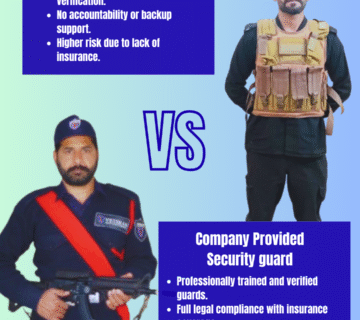
Security guards are often among the most underappreciated yet essential professionals in any organisation. When viewed with the right perspective, they are not just employees but dedicated individuals who play a vital role in maintaining safety, order, and protection. If you are hiring a company-provided security guard, it is important to evaluate the benefits being offered to them. These include accommodation, food, and residence arrangements, as well as whether the company is covering medical insurance and providing statutory benefits such as EOBI and post-retirement support.
In addition to these basic entitlements, overtime compensation is another critical factor that must be handled fairly. If a security guard is performing extra duties beyond their scheduled shift, they should be appropriately compensated for their additional time and effort. Unfortunately, many companies fail to provide fair overtime payments, despite it being a basic right for every working individual to earn fairly for the work they perform. Since overtime is often the only opportunity for many guards to increase their monthly income, it is essential that organisations treat this responsibility with transparency and fairness.
At our company, we strongly believe in MAKE SECURITY GUARDS WITH THEIR RESPECT by ensuring fair treatment and comprehensive employee support. We provide a competitive salary in accordance with minimum wage regulations, along with full coverage of EOBI and social security benefits. In addition, we also offer health insurance to ensure the well-being of our security personnel.
Furthermore, we maintain a proper system to track overtime duties and ensure that guards are compensated fairly for their extra work. Along with this, we also provide paid leave every month to support work-life balance and mental well-being. This structured approach not only improves job satisfaction but also builds trust, loyalty, and long-term commitment.
Ultimately, maintaining security guards effectively requires a clear understanding of their expectations, rights, and responsibilities. When organisations prioritise fairness, respect, and employee welfare, they create a motivated workforce that performs with greater dedication and professionalism.
5. Equip Them Properly: Respect Through Resources:
In today’s security landscape, organisations must recognise that to make security guards with their respect key phrase truly meaningful, it is essential to equip guards with the right tools and resources. Respect is not only shown through words but also through the quality of equipment provided on duty. Sending a guard to protect lives and property with broken batons, unreliable firearms, or non-functional torches undermines both their dignity and effectiveness. A professional security guard cannot perform at their best without dependable gear, and in critical situations, faulty equipment can lead to serious consequences. Similarly, the absence of proper communication systems such as two-way radios, panic buttons, or mobile backups can leave guards isolated during emergencies, where every second counts.
Beyond tools and communication, providing weather-appropriate uniforms is equally important; guards working in extreme summer heat require cooling solutions and access to clean drinking water, while winter demands insulated clothing, and monsoon conditions call for waterproof gear. These provisions are not luxuries; they are basic requirements that directly impact performance, safety, and morale. When companies invest in proper equipment and facilities, they not only enhance operational efficiency but also demonstrate a clear commitment to professionalism. Ultimately, to make security guards with their respect key phrase a reality, organisations must understand that proper equipment is a reflection of value, trust, and respect, ensuring that those who protect others are themselves protected, empowered, and prepared.
6. Train Them Like Professionals:
In Pakistan, many companies still follow an informal approach to hiring security personnel, often selecting guards through walk-ins without proper screening. This practice not only compromises safety standards but also undermines the dignity of the profession. At our organisation, we believe in a structured and respectful hiring process that reflects our commitment to professionalism and the principle to make security guard with their respect. Every candidate goes through a well-defined recruitment hierarchy, beginning with an initial interview that evaluates experience, capability, and overall suitability for the role. This ensures that only individuals with the right mindset and basic competence move forward.
The second stage involves a detailed documentation process where credentials are carefully verified. For ex-servicemen, authentic certifications are required to validate their background, while for civilian candidates, we assess their job stability and previous work history to ensure reliability. Once documentation is complete, candidates undergo a comprehensive training programme designed to build both theoretical knowledge and practical skills. This includes essential security protocols, risk awareness, and controlled shooting practice, with certifications awarded to those who meet the required standards.
Finally, selected personnel attend a structured three-day orientation that prepares them for real-world duties, ensuring clarity, discipline, and professionalism. By implementing this systematic approach, we not only enhance service quality but also reinforce respect for the role, truly working to make security guard with their respect in both practice and perception.
7. Create Safe and Dignified Working Conditions:
In the evolving landscape of security services, organisations must go beyond basic employment practices and focus on creating an environment that truly values its workforce. To make security guard with their respect, it is essential to address the unique challenges faced by guards, especially women in the field. Female security personnel often encounter harassment, isolation, and a lack of proper facilities, which directly impacts their performance and well-being. Providing separate restrooms, designated changing areas, and access to female supervisors is not a privilege but a fundamental requirement for a safe and respectful workplace.
Equally important are proper rest areas for all guards who endure long and demanding shifts. Security personnel working extended hours need access to simple yet essential facilities such as seating, ventilation, and clean drinking water to maintain their physical health and efficiency. Ignoring these basic needs diminishes both morale and productivity, which ultimately affects service quality.
Furthermore, mental health support must be recognised as a critical component of workforce management. The nature of security work involves constant vigilance, high stress, and long periods of isolation, all of which can take a psychological toll. By offering counselling services, encouraging peer support systems, and allowing mental health breaks, companies demonstrate genuine care for their employees. Such initiatives are key steps to make security guard with their respect, ensuring that those who protect others are themselves treated with dignity, care, and professionalism.
8. Challenge Disrespectful Language and Attitudes:
Respect in the security industry begins with language, as the words we use shape attitudes, behaviours, and ultimately workplace culture. To make security guard with their respect, organisations and individuals must actively challenge dismissive language and harmful stereotypes that diminish the value of this profession. Terms like “chowkidar”, while literally meaning “watchman”, are often used in a way that lowers status and undermines dignity. Replacing such labels with respectful titles like “security officer” or simply addressing guards by their names can significantly change interpersonal dynamics and foster mutual respect.
Equally important is the responsibility to address disrespectful behaviour whenever it occurs. Whether it comes from colleagues, clients, or even within social circles, silence only reinforces negative attitudes. Speaking up with simple but firm statements helps set a standard of respect and accountability. This cultural shift is essential if we truly aim to make security guard with their respect in everyday interactions.
Moreover, media representation plays a powerful role in shaping public perception. When guards are portrayed as incompetent or insignificant, it reinforces damaging stereotypes that affect how they are treated in real life. Supporting narratives that present security personnel as skilled, disciplined, and essential professionals can gradually reshape societal views. By improving our language, correcting behaviour, and promoting fair representation, we build a foundation where respect is not optional but expected, helping to make security guard with their respect in both perception and practice
.
9. What Companies Must Do Differently:
Organisations play a decisive role in shaping the standards and dignity of the security industry, and meaningful change begins with accountability and leadership. To make security guard with their respect, companies must first take a hard look at their existing security contracts and demand transparency from service providers. Key questions around minimum wage, health insurance, paid leave, training hours, and the quality of equipment supplied should never be overlooked. If these essentials are not met, responsible organisations must be willing to switch to providers who prioritise both professionalism and worker welfare.
Beyond contracts, companies should actively involve security personnel in safety planning and decision-making processes. Guards are on the front lines every day and possess practical insights into vulnerabilities that external consultants may miss. Inviting them into security meetings, listening to their recommendations, and valuing their experience fosters a culture of trust and inclusion. This approach not only strengthens security systems but also reinforces efforts to make security guard with their respect.
Equally important is the recognition of excellence. Security guards who demonstrate bravery, alertness, and dedication deserve to be acknowledged publicly. Implementing monthly or quarterly awards, along with certificates or performance-based bonuses, can significantly boost morale and motivation. When organisations choose to lead with respect, they benefit from increased loyalty, reduced turnover, and more effective security outcomes, proving that respect is not just ethical but also operationally smart.
10. What Individuals Can Do Today:
Respect for security personnel does not only depend on organisations and institutions; it also begins at an individual level. Every person has the ability to contribute to a more dignified environment and help make security guard with their respect through simple, everyday actions. A basic gesture such as greeting a building guard by name each morning can significantly improve their sense of belonging and value. Small acts of kindness, like offering water during extreme summer heat, show acknowledgement of the difficult conditions in which they work.
In addition, positive recognition can go a long way in uplifting their morale. Writing appreciative reviews on Google Maps or social media, specifically mentioning the guards, helps highlight their contribution to safety. If someone witnesses disrespect or rude behaviour towards a security guard, taking a stand and intervening respectfully reinforces a culture of dignity. In appropriate situations, such as residential buildings or events, offering a small tip is another meaningful way to show gratitude for their service.
It is also important to instil these values in the next generation. Teaching children to say thank you and respect security personnel helps build a more compassionate society. These small but powerful actions collectively help make security guard with their respect, ensuring that those who dedicate their lives to protecting others are treated with the honour and recognition they truly deserve.
11. Real Examples of Respect in Action:
In modern security management, real-world examples clearly demonstrate that respect is not just a moral choice but also a practical investment. To make security guard with their respect, organisations must learn from successful models where dignity and professional care have transformed outcomes. In Lahore, a corporate office introduced a “Guard of the Month” programme, a 30% salary increase, and free medical checkups for its security staff. Within a year, guard turnover dropped significantly from 70% to 15%, while incident response times improved by over 40%, proving that recognition directly enhances performance.
Similarly, in a residential community in Karachi, residents collectively contributed to provide essential support such as raincoats, insulated jackets, and shared refrigeration for drinking water. This simple act of humanity led guards to feel valued as individuals for the first time, and remarkably, the community experienced zero theft incidents over the following twelve months.
Another strong example is Veteran Security & Protection Pvt Ltd, which ensures minimum wage compliance, health insurance, paid leave, pensions, and climate-appropriate uniforms for its workforce. With six weeks of initial training and monthly operational drills, the company has achieved a 92% retention rate along with a strong reputation for excellence in the industry.
These case studies collectively prove that to make security guard with their respect is not an idealistic concept but a measurable and profitable strategy that enhances loyalty, performance, and overall security effectiveness.
12. The Cost of Disrespect: What Happens When We Look Away
When society fails to value security personnel, the consequences extend far beyond the workplace, affecting individuals, businesses, and the broader social fabric. To make security guard with their respect, it is essential to recognise that neglect and disrespect create a cycle of harm that impacts everyone. For guards themselves, poor treatment often leads to chronic financial instability, mounting debt, and severe physical and mental health issues. Long working hours without proper care can even result in early exhaustion and untreated medical conditions, while constant humiliation contributes to deep social isolation and loss of dignity.
For clients and businesses, the cost of ignoring these realities is equally severe. High turnover rates increase recruitment and training expenses, while unmotivated or under-supported staff can lead to higher risks of theft, vandalism, and operational failure. In some cases, negligence in worker welfare can also expose organisations to legal liabilities and long-term reputational damage, especially when security failures become public.
At a societal level, this disregard creates a dangerous divide where security work is seen as disposable labour, normalising exploitation and weakening the overall sense of public safety. Disrespect is not an isolated issue; it is a systemic failure that undermines trust, justice, and stability. Therefore, to truly make security guard with their respect, society must shift its perspective and acknowledge security personnel as essential professionals whose dignity directly contributes to collective safety and progress.
Conclusion: Respect Is the Foundation of Real Security
In conclusion, the strength of any security system is not defined by technology alone but by the dignity and respect extended to the people who operate within it. True safety cannot exist in an environment where security guards are undervalued, underpaid, or rendered invisible despite their critical role. If we genuinely expect vigilance, discipline, and professionalism from them, then we must first ensure that they are protected, respected, and properly supported in return. The idea of security guards with respect is not a slogan; it is a foundational principle that should guide every decision within the industry.
Respect begins with the basics: fair compensation that reflects the responsibility of the job, reliable equipment such as functional radios, and proper seasonal gear like winter jackets to withstand harsh conditions. It also includes simple human gestures – a greeting, acknowledgement, and appreciation that affirm their presence and contribution. Long-term dignity means providing pensions and benefits that recognise years of dedicated service, ensuring that retirement does not mean insecurity.
When society and organisations embrace these standards, they transform security from a low-recognition job into a respected profession. Every stakeholder—clients, companies, and the public—has a role to play in this transformation. By choosing to value those who protect us daily, we build not only better workplaces but safer communities. Ultimately, real security begins when we consistently choose respect over neglect, humanity over indifference, and dignity over silence


No comment